Auto Locksmith in Lewis and Clark County County, MT
No cooling on a sweltering afternoon? No heat in the middle of the night? One call connects you with a licensed, insured independent HVAC pro in Lewis and Clark County, any hour of the day.
- Licensed & insured independent pros
- Quotes before any work begins
- Same-day and after-hours dispatch
- Homes and commercial buildings
One Call to Reach Independent Auto Locksmith Technicians Near You
SND Heating and Air Conditioning is a free referral service. We do not run our own trucks or send our own crews. What we do is answer the phone, listen to what your system is doing, and route your call to a licensed and insured independent HVAC contractor who works in Lewis and Clark County. It sounds simple, and it is, but it solves a problem anyone who has lost cooling in July already knows.
Heating and cooling equipment doesn't break on a schedule. An AC compressor seizes on the hottest weekend of summer, an igniter cracks on the first freezing night, or a condensate line backs up and soaks a hallway ceiling late on a Sunday. The usual routine is calling a handful of companies from a search results page, hitting voicemail, and hoping somebody calls back. Our line replaces that routine with a single call that reaches a person who can connect you to a local tech with open time on the schedule.
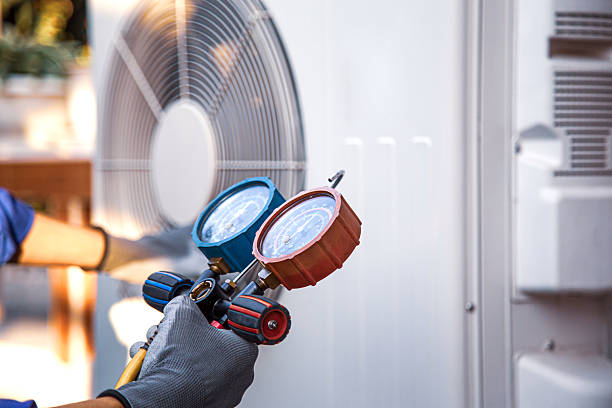
When you call, expect a few practical questions. We'll want to know what type of equipment you have (split system, packaged unit, heat pump, gas furnace, boiler, or ductless mini-split), whether the outdoor condenser is running, whether you see frost on the refrigerant lines, whether a breaker tripped, and whether the thermostat display is even on. Those answers help the technician show up with the parts that fail most often, such as run capacitors, contactors, hot surface igniters, flame sensors, and blower motors, instead of making a second trip to the supply house.
After years of routing heating and cooling calls, we've learned how wide the gap can be between a quick capacitor swap and a compressor that has reached the end of its life. We focus on getting the right independent technician to you fast, and that technician focuses on an honest diagnosis and a clear quote before a single part gets replaced. You stay in control of every decision.
Callers in Lewis and Clark County reach independent contractors who work on single-family homes, rentals, condos, restaurants, storefronts, offices, and light commercial buildings. Some areas fight humidity all summer, others fight hard freezes all winter, and plenty fight both. Either way, the goal is identical: get safe, comfortable air back in your space without delay.
A word on what we won't do: we won't pressure you into a replacement you don't need, and we won't pretend to be the company holding the wrench. The independent contractor quotes and performs the work, and if a big repair or replacement estimate gives you pause, getting a second opinion is always your call. Being upfront about that is the reason many callers come back the next time something breaks.
- Calls answered 24 hours a day, 7 days a week
- Free to call, no membership required
- Licensed & insured independent local pros
- Residential and commercial equipment
- Repair, replacement, and maintenance
What Network Technicians Handle in Lewis and Clark County
Every call is different, but most fall into one of the categories below. Tell the dispatcher what's going on and we'll route you to a technician who does that work.
24/7 Air Conditioning Repair
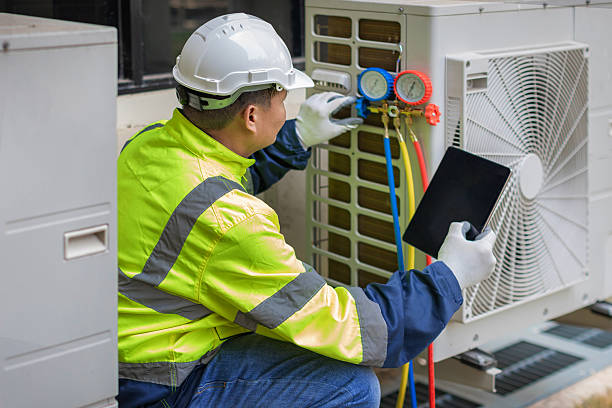
An air conditioner that dies during a heat wave is more than uncomfortable. For infants, older adults, people with heart or breathing conditions, and pets, indoor heat can turn dangerous within hours. Emergency AC calls get priority dispatch, and the technician starts with the fast checks: power at the disconnect, the dual run capacitor, the contactor, the condenser fan motor, and refrigerant pressures. Plenty of emergency AC calls are solved with a small part swapped on the spot.
- Failed capacitors and contactors
- Frozen evaporator coils and iced suction lines
- Refrigerant leaks traced with electronic detectors
- Clogged condensate drains and tripped float switches
- Condenser fan and blower motor failures
Emergency Heating Repair
A heating failure on a freezing night threatens your plumbing as well as your comfort. Most no-heat calls on gas furnaces come down to a handful of parts: the flame sensor, the hot surface igniter, the pressure switch, the inducer motor, or a clogged condensate trap on high-efficiency models. Technicians read the furnace's diagnostic blink codes, test the gas valve, check temperature rise, and confirm safe venting before they leave. Smell gas? Get everyone outside and call the gas utility or 911 from a safe distance before anything else.
- Ignition and flame sensor problems
- Short cycling and limit switch trips
- Blower motor and control board failures
- Heat exchanger inspections and combustion testing
- Electric furnace heat strip and sequencer repair
Heat Pump and Mini-Split Repair
Heat pumps do double duty, cooling in summer and heating in winter, so they log far more run hours than a standalone air conditioner. Common failure points include the reversing valve, the defrost board and sensor, outdoor fan motors, and the electric backup heat strips. If your outdoor unit is caked in ice, blowing lukewarm air in heat mode, or leaning on emergency heat and driving up your electric bill, a technician can test the defrost cycle, check the charge, and pin down the cause. Ductless mini-split systems, from single-zone wall units to multi-head setups, are covered too.
- Reversing valve and solenoid diagnosis
- Defrost board, sensor, and timer testing
- Auxiliary and emergency heat strip repair
- Ductless mini-split cleaning and repair
- Inverter and variable-speed compressor diagnostics
New System Installation and Replacement
Some systems simply aren't worth another repair. When a 15-year-old condenser needs a compressor, or an old furnace shows signs of a cracked heat exchanger, putting money into a new system usually makes more sense. Good contractors size new equipment with a heat load calculation, often called a Manual J, instead of copying the tonnage on the old nameplate. Too big and it short-cycles and leaves the house clammy; too small and it runs all day without catching up. Ask the contractor about SEER2 and HSPF2 efficiency ratings, matched indoor and outdoor components, and available utility rebates or tax credits.
- Central air conditioners and heat pumps
- Gas, electric, and dual-fuel furnace systems
- Ductless mini-split installation
- Smart and programmable thermostat setup
- Permits, startup testing, and old equipment removal
Ductwork, Airflow, and Zoning
If one bedroom is always ten degrees warmer than the rest of the house, the ducts are the first place to look. Crushed flex duct, joints that pulled apart in the attic, leaky supply plenums, and return air paths that are too small all starve rooms of air. Technicians measure static pressure, check temperature split at the registers, and inspect accessible duct runs to find where the air is going. Solutions might be as small as sealing seams with mastic or as involved as adding a dedicated return or a multi-zone damper system.
- Duct leak sealing and section replacement
- Static pressure testing and airflow balancing
- Return air upgrades for starved systems
- Zoning systems with motorized dampers
- Duct insulation in attics and crawl spaces
Indoor Air Quality Solutions
All the air in your home passes through the HVAC system over and over, so the system is the natural place to improve air quality. Options include media filter cabinets with higher MERV ratings, UV-C lights aimed at the evaporator coil, whole-home dehumidifiers and humidifiers, and energy recovery ventilators (ERVs). Musty smells at startup, dust that comes right back, sticky indoor humidity, or foggy windows in winter are all worth mentioning when you call.
- Media air cleaners and high-MERV filtration
- UV-C coil and air purification lights
- Whole-home dehumidifiers and humidifiers
- ERV and fresh-air ventilation
- Evaporator coil and blower wheel cleaning
Commercial and Light Industrial HVAC
A restaurant dining room at 90 degrees, a server closet creeping past its safe temperature, or an office full of uncomfortable employees costs real money every hour. Commercial calls route to independent contractors experienced with packaged rooftop units (RTUs), split systems serving retail spaces, make-up air units, walk-in cooler condensers, and building controls. After-hours and weekend scheduling is common, and many contractors offer planned maintenance programs for property managers handling several buildings.
- Rooftop package unit repair and replacement
- Economizer and building control troubleshooting
- Make-up air and kitchen ventilation
- Planned maintenance for multi-unit properties
- Tenant improvement and light commercial installs
Maintenance Plans and Tune-Ups
A large share of breakdowns trace back to small problems that a seasonal tune-up would have caught. A thorough cooling tune-up includes cleaning the condenser coil, testing capacitors against their rated microfarads, checking refrigerant charge by superheat or subcooling, flushing the condensate drain, and tightening electrical connections. On the heating side, a technician cleans the burners, services the flame sensor, inspects the heat exchanger, tests for carbon monoxide, and confirms every safety switch works. Scheduling one visit in spring and another in fall keeps most systems running efficiently for years longer.
- Spring AC and fall furnace tune-ups
- Capacitor and electrical testing
- Refrigerant charge verification
- Condensate drain cleaning
- Annual maintenance agreements
Symptoms That Mean It's Time to Call
Most HVAC failures send signals before they quit completely. Here is what callers describe most often, what it usually points to, and what a technician checks first.
Two Minutes of Troubleshooting That Can Save a Visit
Start with the thermostat: correct mode, correct setpoint, fresh batteries. Pull the air filter and hold it up to the light, since a clogged filter is behind a surprising number of frozen coils and overheating furnaces. Then check the breaker panel and the disconnect switch next to the outdoor unit. If water is pooling near the indoor unit, a safety float switch has probably shut the system off to prevent a leak. If none of that solves it, don't keep resetting breakers. Repeated resets can damage a compressor.
Sounds tell a story too. A high-pitched squeal often means a worn blower belt or failing motor bearing, a loud bang at furnace startup can point to delayed ignition, and rattling from the outdoor unit usually means loose panels or debris in the fan. Mention what you hear when you call, because it gives the technician a head start on the diagnosis.
What Happens After You Call
The process is built for people who need help now, not next week. Here's how a typical call goes.
You Call Our Dispatch Line
Dial +1-866-805-8548 at any hour. You'll describe what's happening, share your address, and confirm a callback number, usually in about three minutes.
A Local Technician Is Dispatched
Your call is routed to an independent, licensed and insured technician working near you who has open availability. You'll get an arrival window, and for emergencies that's often the same day.
Honest Diagnosis and a Clear Price
On site, the tech diagnoses the problem with proper instruments, walks you through the findings, and quotes the job before any work begins. If a repair isn't worth it, you'll hear that too, with both options priced.
Repair, Testing, and Verification
Once you approve, the repair is completed and the system is tested through a full cycle: temperatures, pressures, airflow, and safety controls. Ask about the contractor's workmanship and parts warranty before they leave.
Help Us Help You Faster
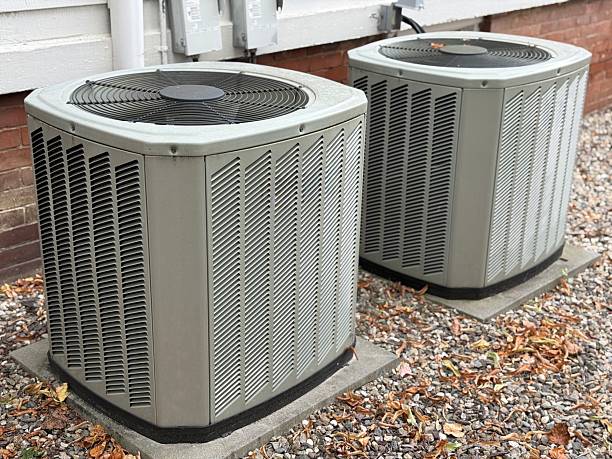
If you can, grab the brand and model from the equipment label, note whether your heat is gas or electric, and think about when the problem started. Those details let the technician arrive prepared. If you rent, let us know so the right person can approve the repair.
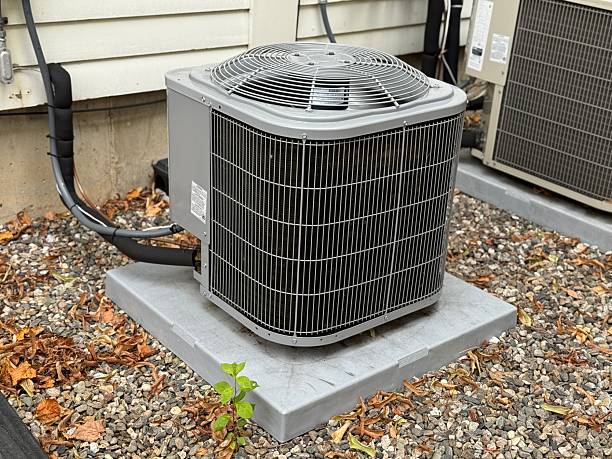
Before the technician arrives, clear access to the furnace or air handler and the outdoor unit, and secure pets. A tech who can get straight to the equipment finishes faster.
Call +1-866-805-8548Why Our Referral Line Gets the Call
A good HVAC experience comes down to a few things: someone answers, someone shows up, and the price makes sense. Here's how our referral network handles each one.
Clear Quotes First
Network contractors quote the job before work begins, so you approve the number first. No surprise line items after the fact, and no pressure to say yes on the spot.
Quick Arrival Windows
Calls are routed to technicians who are already in your area and available, which is usually much faster than waiting for a single company to return a voicemail.
Local Dispatch
You're connected with technicians who know local building styles, permit requirements, and the equipment common in your area, from attic air handlers to crawl space furnaces.
Licensed, Insured, Independent
Calls are routed to licensed and insured independent contractors. You're always welcome to ask the technician for license and insurance details before work starts, and we encourage it.
Homes and Businesses
One number covers a bedroom mini-split and a 20-ton rooftop unit. Tell us what you have and we'll route the call to the right specialist.
Work Backed in Writing
Most independent contractors offer a written workmanship warranty, separate from manufacturer coverage on parts. Ask for the terms before work begins so you know exactly what's covered.
Put simply, you make one free call, a dispatcher routes you to an available licensed and insured independent technician nearby, and you see the price before any work begins. Callers in Lewis and Clark County tell us that simplicity is exactly why they call back.
A Season-by-Season Guide to Keeping Your System Running
The calls we route follow the calendar closely. Knowing what each season does to your equipment helps you catch problems while they're still small and cheap to fix.
Spring
Book the AC tune-up before the heat shows up and schedules fill. Rinse the condenser fins gently from the inside out, trim shrubs back two feet, and flush the condensate drain so it doesn't clog on the first humid day. Run a test cycle on a mild day. A fan that won't spin or a loud hum at startup is far easier to deal with in April than in a July heat wave.
Summer
Long run times expose weak capacitors and clogged drains. Swap filters monthly during heavy use, don't close off registers to "save energy," and keep the thermostat at a steady setting rather than dropping it ten degrees at once. A unit that falls behind every afternoon but catches up at night may be low on refrigerant or sized too small for the home.
Fall
Get the heating side checked before the first chilly night. A technician can clean the burners, test the igniter, inspect the heat exchanger, and confirm safe venting, and you should replace the batteries in every CO detector. The first time you switch to heat, a dusty smell for a few minutes is normal. A smell that lingers, or anything resembling burning plastic, is not.
Winter
Cold weather means igniter failures, heat pumps that won't defrost, and frozen condensate on 90-plus efficiency furnaces. Clear snow from around the heat pump and keep the PVC vent pipes on the side of the house free of drifts. If the heat goes out during a freeze, open cabinet doors under sinks and let faucets drip while you wait for the technician.
Customer Reviews and Experiences
Here's what a handful of callers told us after their systems were back up and running.
The air conditioner died on a Friday night, and we have a three-week-old baby. I called a little after 7 and a technician pulled up before 9. He found a swollen capacitor and a pitted contactor, showed me both, and gave me the price before he touched anything. We had cold air again by quarter to ten.
Our Services in Lewis and Clark County County, MT
The furnace started clicking and shutting off at 5 in the morning, and the house was already freezing. The tech who came out explained it was the hot surface igniter, had one on the truck, and was done in under an hour. He also pointed out my filter was overdue, which I appreciated.
Our dining room unit stopped cooling right as Saturday lunch service started. The contractor we were connected with found a thrown belt and a stuck economizer damper, had it running by mid-afternoon, and came back after close to finish the work so we didn't lose the dinner crowd.
A tenant reported a ceiling stain under the attic unit, and I needed someone fast before the drywall gave out. The technician cleared a clogged condensate line, added a float switch so the system shuts off before it overflows next time, and sent me photos of everything. That's exactly the kind of communication a landlord needs.
The outdoor heat pump looked like a block of ice, and our power bill was through the roof. I figured we needed a whole new system. The technician traced it to a bad defrost sensor, replaced it for a fraction of what I expected, and told me honestly the unit had plenty of life left.
We'd been told twice that we needed a larger AC because the second floor never cooled. The tech we were connected with measured static pressure, found a disconnected duct in the attic and an undersized return, and fixed both. The upstairs finally stays within a degree or two of the thermostat.
What Callers Ask Us Most
How fast can a Auto Locksmith technician arrive in Lewis and Clark County?
For no-heat and no-cooling emergencies, same-day arrival is common and a few hours is typical, though heat waves and cold snaps can stretch schedules. You'll get an honest arrival window on the call so you can plan, and if the window changes, the technician will let you know.
Do you provide upfront pricing?
Yes. Network contractors quote the work before they start, and nothing gets replaced without your okay. If there's a service call or diagnostic fee, it should be explained when your visit is set, and it's fair to ask whether it gets applied toward the repair.
What emergency Auto Locksmith services are available?
Emergency dispatch covers no-cooling and no-heat calls, frozen coils, refrigerant leaks, water leaking from the air handler or furnace, burning smells, breakers that keep tripping, failed blower motors, and commercial equipment outages. If there's a gas smell or a carbon monoxide alarm, leave the building and call 911 or your gas utility first.
Is SND Heating and Air Conditioning the company that performs the repair?
No. SND Heating and Air Conditioning is a free referral service. We connect callers with independent, licensed and insured local HVAC contractors. The contractor who arrives is an independent business responsible for its own work, pricing, and warranties, and you're encouraged to confirm their license and insurance before work begins.
Are the technicians licensed and insured?
Calls are routed to licensed and insured independent contractors. Licensing requirements for HVAC work vary by state and city, so the safest move is to ask the technician for their license details and proof of insurance when they arrive, and check with your state licensing board if you want extra peace of mind.
Should I repair or replace my air conditioner or furnace?
Age, repair cost, and efficiency drive the decision. Systems over 12 to 15 years old facing a compressor, coil, or heat exchanger failure are usually candidates for replacement, especially older units still charged with R-22. A technician can quote the repair alongside a replacement so you see the full picture before choosing.
How much does a typical Auto Locksmith service call cost?
Every contractor sets its own rates, and the cost varies with the part, the labor time, and whether it's an after-hours call. Small electrical parts are typically affordable repairs, while major components cost considerably more. Either way, the technician quotes the job first so the number never surprises you.
How often should my HVAC system be serviced?
Twice a year is ideal: the cooling side in spring before the heat arrives and the heating side in fall before the first cold night. Heat pumps benefit the most because they run in both seasons. Between visits, check or change your filter every one to three months, and more often if you have pets.
Do you handle commercial HVAC and rooftop units?
Yes. Commercial calls are routed to independent contractors who work on packaged rooftop units, split systems, make-up air units, walk-in cooler condensers, and building controls. After-hours service is widely available so repairs don't interrupt your business, and many contractors offer planned maintenance for multi-unit properties.
Can I get help with a heat pump or ductless mini-split?
Absolutely. Network technicians service conventional heat pumps, dual-fuel systems, and ductless mini-splits, including wall-mounted heads, ceiling cassettes, and multi-zone outdoor units. Common calls include ice buildup, weak heating, error codes on the indoor head, and water dripping from the wall unit.
Where We Dispatch in Lewis and Clark County
Calls from anywhere in Lewis and Clark County are routed to independent technicians who work across the county, from the county seat and larger towns to rural roads and unincorporated communities. Whether it's a propane furnace on acreage, a heat pump in a subdivision, or rooftop units on a commercial strip, one call starts the process.
The cities and zip codes we serve in Lewis and Clark County are listed at the bottom of this page. If your town isn't listed, call anyway; technicians often travel beyond the areas shown.
Don't Sweat It or Shiver Through It
One call connects you with a licensed and insured independent Auto Locksmith technician in Lewis and Clark County. Calls are answered 24/7, and the referral is always free.
Call +1-866-805-8548